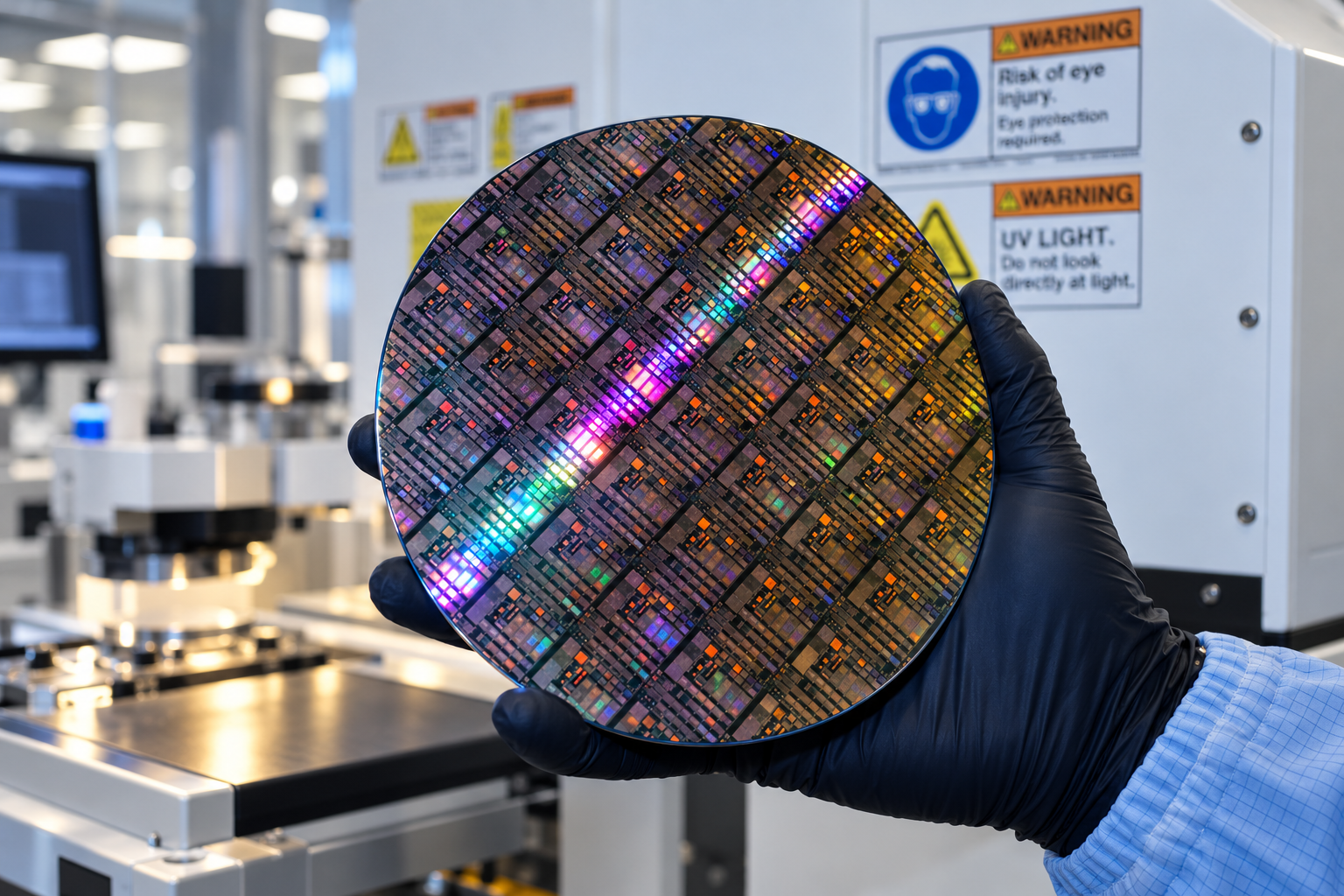
From architecture and mixed-signal integration through manufacturable implementation, NFR turns complex ASIC concepts into reliable, production-ready silicon.




















A custom ASIC can deliver significant advantages in performance, power, size, integration, and cost, but it isn't always the right answer.
NFR evaluates available commercial technologies, draws on our partner network, and gives you an objective assessment of whether a custom ASIC truly delivers the performance, cost, and schedule advantages your program requires.
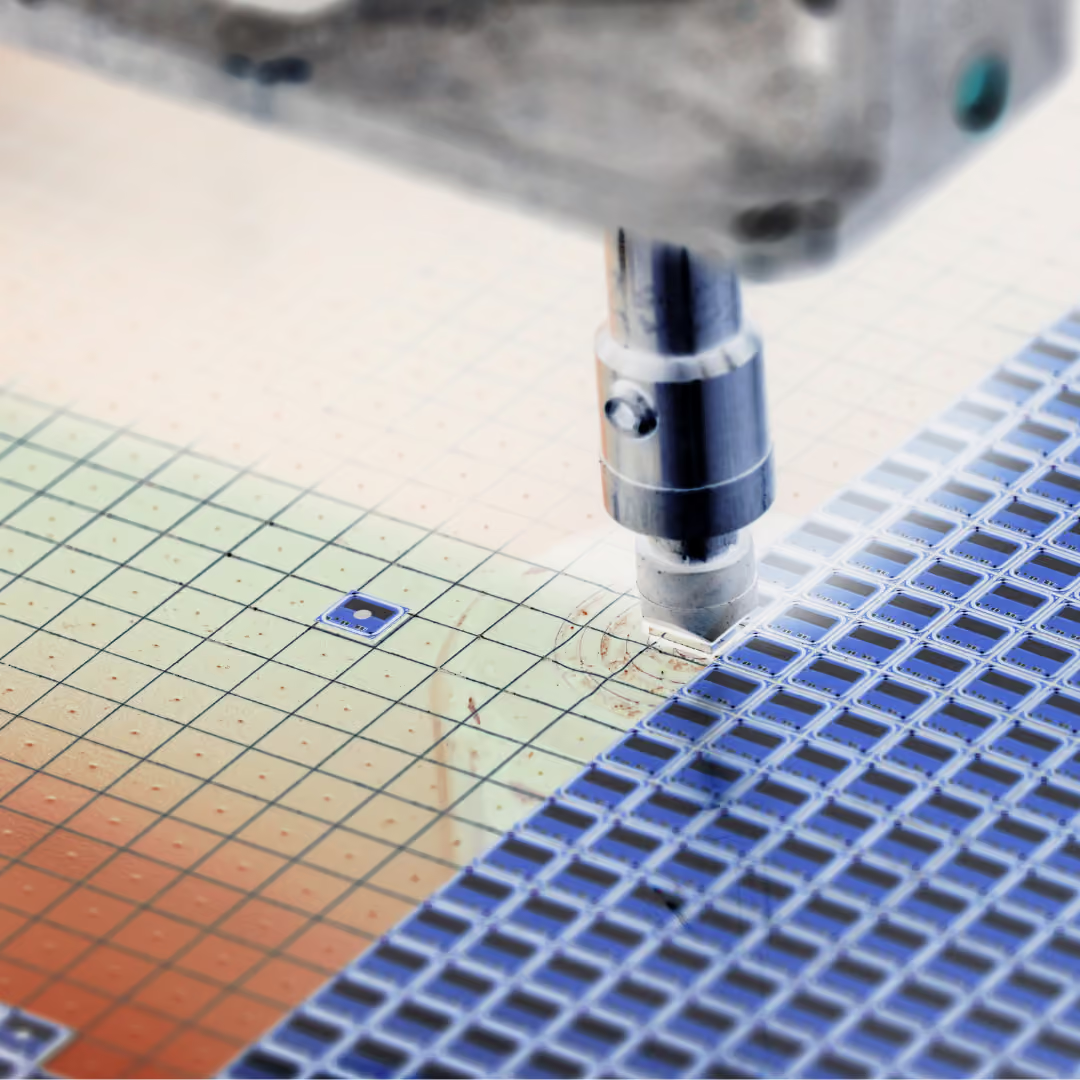
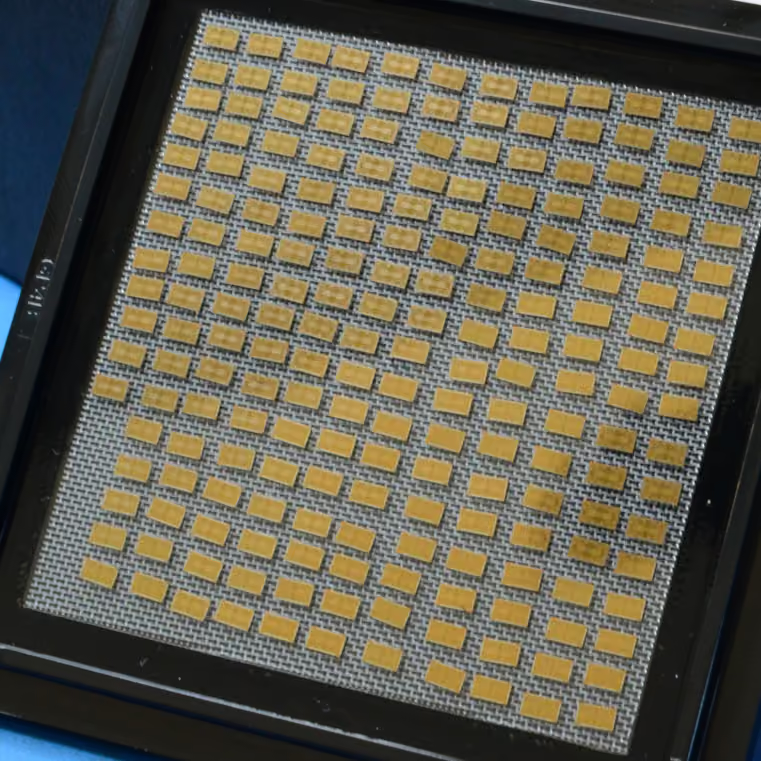
WHEN CUSTOM SILICON MAKES SENSE
A custom ASIC becomes especially valuable when commercial components can no longer deliver the integration, cost at volume, performance, lifecycle, or form factor your product requires.
THE NFR APPROACH
NFR approaches custom silicon as part of a larger system. Our engineers combine deep ASIC expertise with system-level thinking across analog, digital, RF, interfaces, power, verification, and integration to develop silicon around the requirements of the finished product.

MIXED-SIGNAL SPECIALIZATION
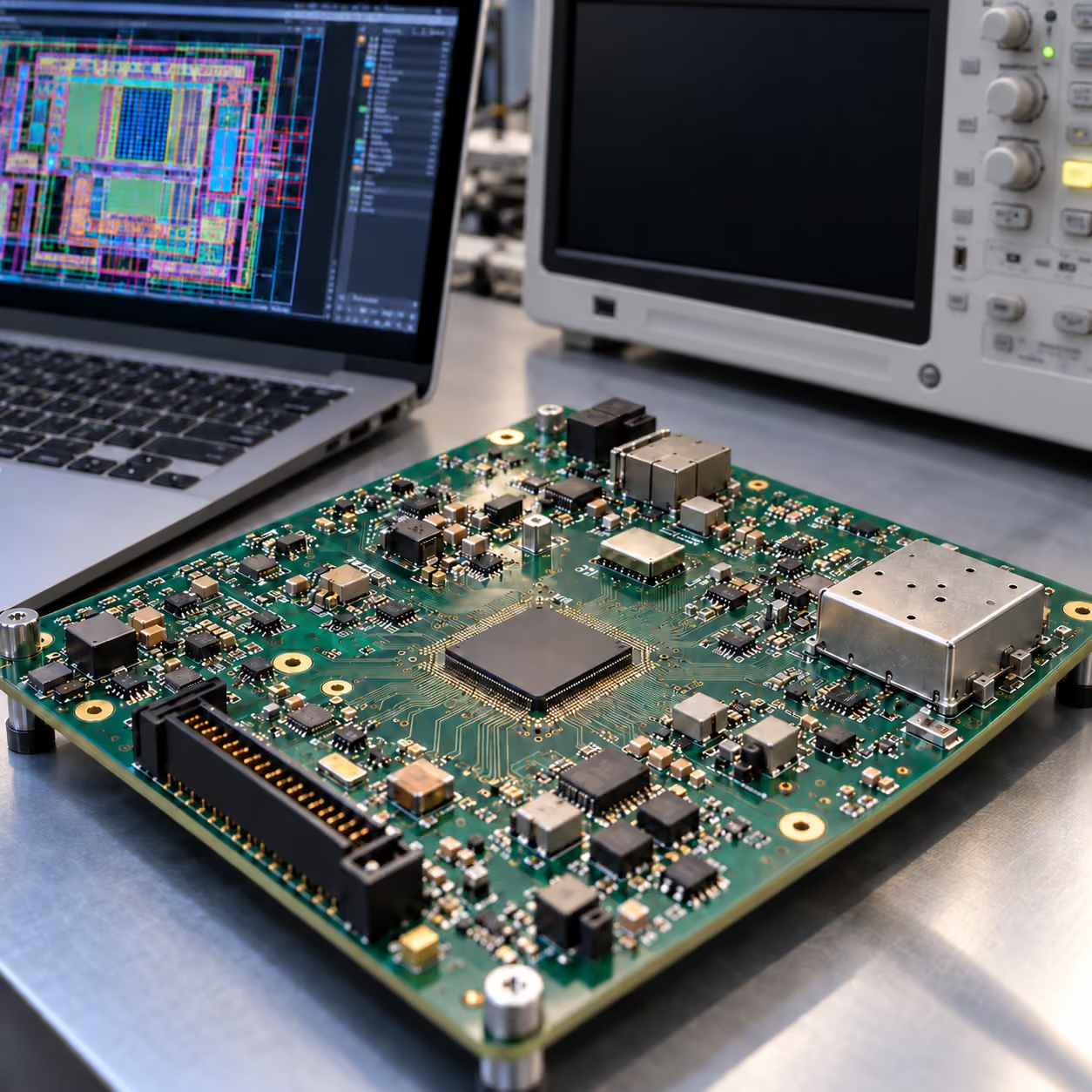
NFR has deep experience with 180 nm CMOS and SiGe technologies, including high-voltage and specialized processes. Our engineers evaluate process options based on performance, power, voltage, integration, cost, and production requirements to select the right technology for each application.
Our 180 nm expertise includes analog and RF circuits, data converters, sensor interfaces, and power management, with a focus on integrating these functions into manufacturable ASIC designs.
NFR's ASIC capabilities can support a wide range of system requirements where off-the-shelf components cannot deliver the needed performance, integration, lifecycle, or form factor.
Custom RF, analog front-end, amplification, and signal-conditioning functions.
Mixed-signal interfaces for sensing, monitoring, signal conditioning, and capacitive readout.
Custom power-management, regulation, monitoring, and control functions.
Integrated driver, monitoring, and control functions for motors, actuators, and related systems.
Custom mixed-signal silicon for monitoring, control, communications, and embedded system functions.
Integrate high-voltage interfaces, low-voltage control circuitry, and analog signal processing within a single ASIC. This can reduce external components and simplify board-level integration in systems with demanding voltage and control requirements.
CONNECTED CAPABILITIES
NFR connects ASIC development with packaging, PCB design, and test to identify integration issues early and simplify the path to production. Engage us for any individual service or keep the work connected under one team.





Connect custom silicon to the larger system with PCB engineering for RF, high-speed, mixed-signal, and complex designs.
Move from board design to rapid-turn U.S.-based fabrication, with engineering support from prototype through production.
NFR's U.S.-based micro-OSAT provides standard and advanced packaging, substrates, assembly, and test for prototypes, low-volume production, and specialized requirements.
Not every engagement requires a complete ASIC development program. NFR engineers can augment your internal design team with specialized analog, digital, mixed-signal, RF, verification, integration, and manufacturing expertise.

Start with the Requirements
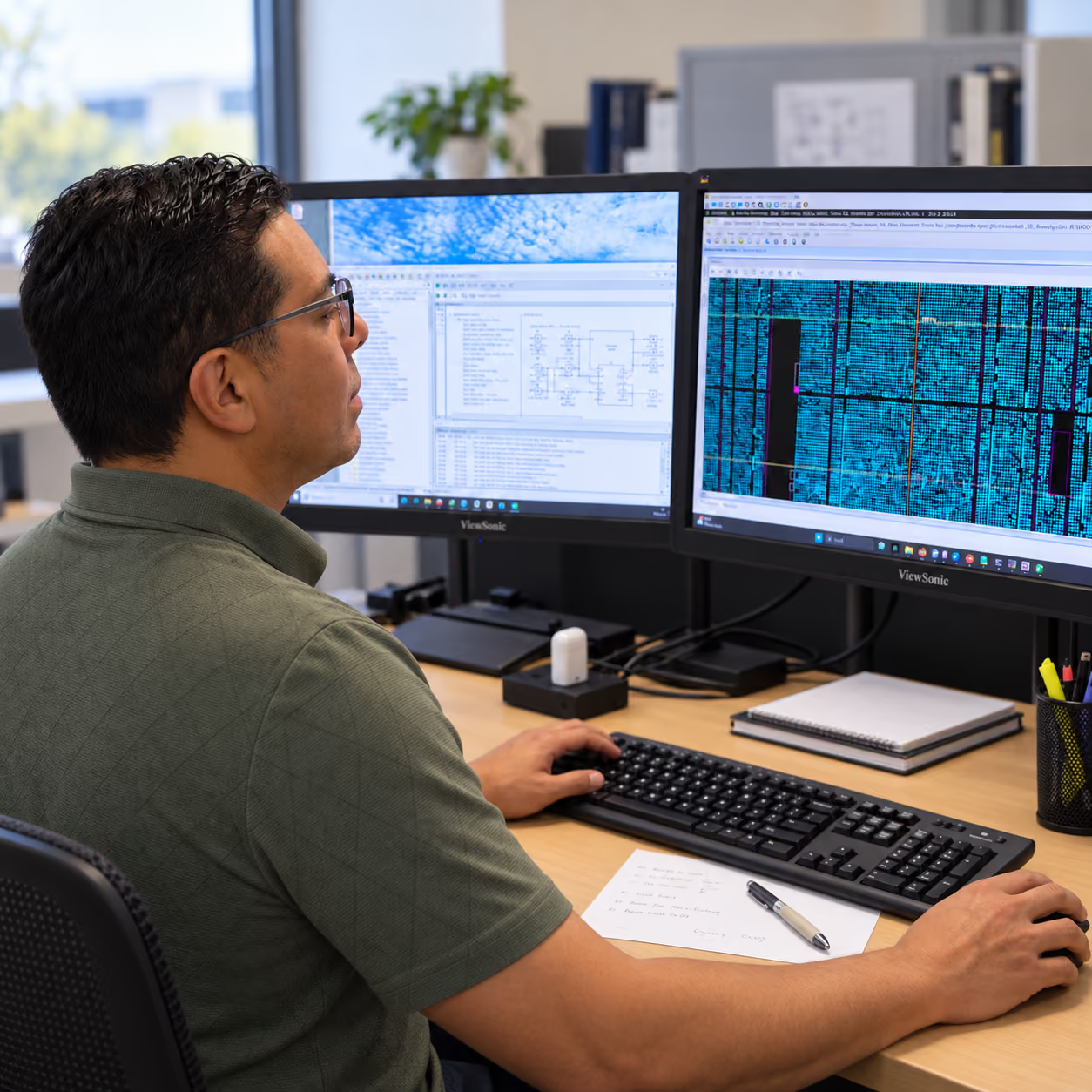
Whether you're evaluating the business case for a custom ASIC, need specialized design expertise, or are ready to move an existing architecture toward silicon, start with a technical conversation.


NFR supports ASIC development from architecture through production, including analog, digital and mixed-signal design, verification, physical design, foundry coordination, packaging and test planning, bring-up, and validation. We can support the entire program or augment your team at a specific stage.
Yes. Mixed-signal integration is a core NFR capability, combining analog, digital, and, where required, RF functions within a custom IC.
Yes. NFR has experience with RF and microwave ICs as well as mixed-signal, analog, sensor interface, high-speed digital, and low-power designs.
NFR has experience across a broad range of technologies, from mature processes such as 180 nm through more advanced CMOS and SiGe technologies. Process selection depends on the application's performance, cost, availability, and production requirements.
No. NFR is foundry-agnostic. We help customers select an appropriate foundry and process based on the technical and commercial requirements of the program rather than steering projects toward a single manufacturing platform.
Yes, depending on the design stage and available design files. NFR can take on specific portions of an existing ASIC program, provide specialized engineering support, or help complete a design already in progress.
Yes. NFR can provide specialized engineering expertise and additional design capacity as an extension of an internal engineering organization, without requiring NFR to manage the entire program.
NFR considers packaging, testing, manufacturability, PCB integration, and production requirements throughout development rather than treating them only as post-tape-out activities. This manufacturing-first approach can identify integration issues earlier and reduce costly redesigns later.
Yes. NFR has developed a portfolio of proven internal IP blocks and architectures that can be leveraged where appropriate to reduce design time, development cost, and technical risk.
NFR can remain involved after tape-out, coordinating wafer fabrication and supporting wafer dicing, packaging, PCB design and manufacturing, device bring-up, testing, validation, and the transition toward production.
Yes. NFR can stay with a program from architecture and ASIC design through foundry coordination, packaging, test, PCB integration, bring-up, and production support. Keeping these stages connected helps identify downstream issues earlier and reduces handoffs between suppliers.
A custom ASIC becomes worth considering when an FPGA or COTS solution creates limitations in power, size, performance, integration, or unit cost. It can be particularly compelling when multiple functions can be consolidated into a single device or when production volumes justify the upfront development investment.