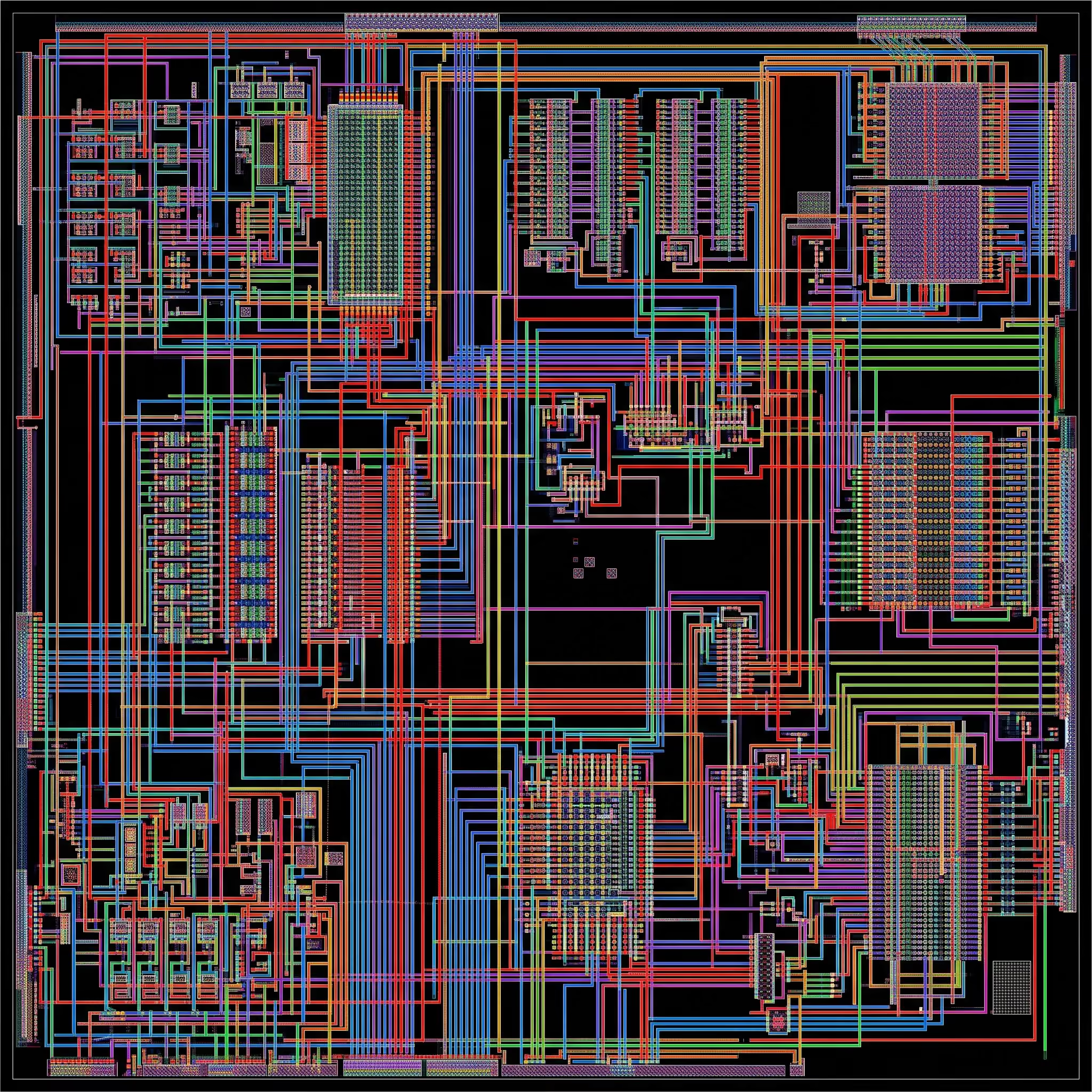
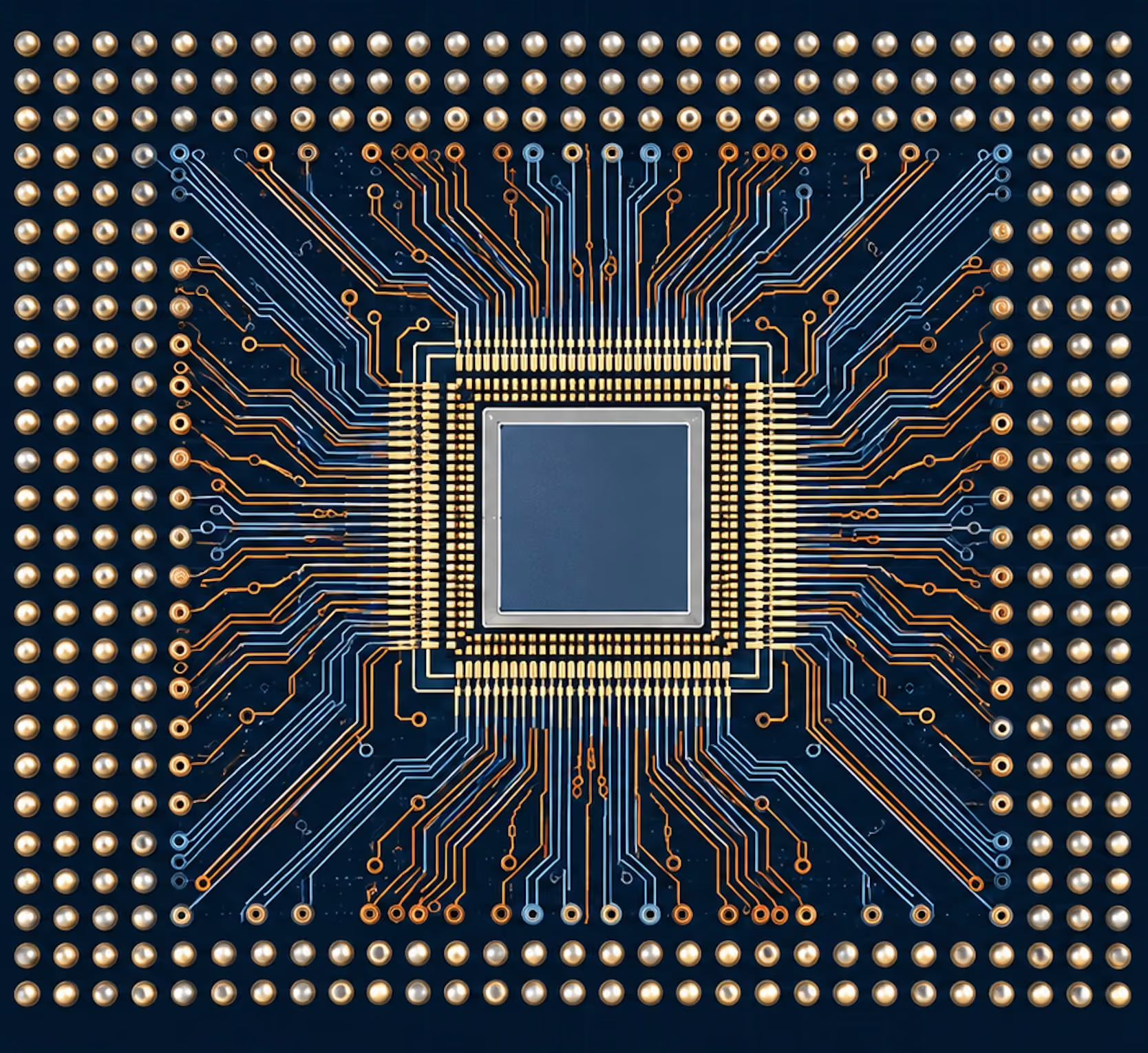
NFR designs custom ASICs and the electronics around them for aerospace and defense programs. From concept to silicon, and from prototype hardware to production deliveries, we support development where off-the-shelf components fall short on performance, size, power, or lifecycle.
Our ASIC work spans analog, RF, digital, and mixed-signal design across CMOS, SOI, SiGe, GaN, and GaAs technologies. We also support the system around the chip, including PCBs, substrates, packaging, firmware, and test hardware.
Aerospace and defense programs often outlast the components they were designed around. A custom ASIC can give your program performance and supply continuity that catalog parts cannot.

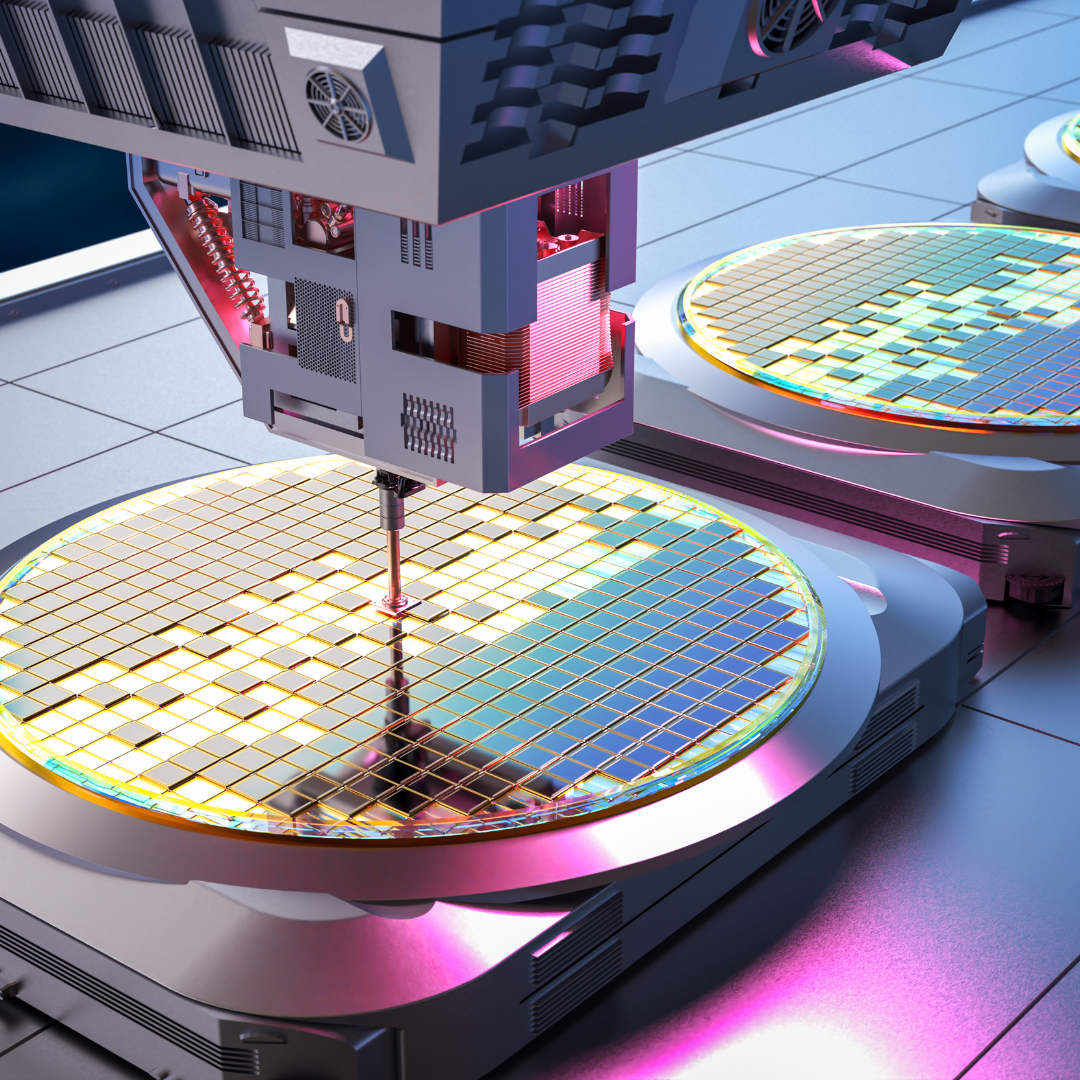
Aerospace and defense programs bring together electrical, mechanical, and environmental requirements that must be considered throughout development. NFR supports projects involving sensor interfaces, signal conditioning, data conversion, power management, and digital control.
Our engineering approach considers the priorities of your application, including noise, power consumption, size, weight, component availability, and documentation needs.


NFR’s aerospace and defense work spans aircraft and avionics, satellite and spacecraft applications, uncrewed aircraft, radar, communications, navigation, and ground-support equipment. Current work includes an RF front-end controller ASIC for a major defense prime, now in production.
Our experience includes engineering prototypes, ground-tested hardware, and production deliveries. Project scope and verification requirements are defined around the specific hardware and its intended use, supported by NFR’s in-house test lab and anechoic chamber.

LET’S WORK TOGETHER
Share your starting point, performance requirements, and development goals. We’ll help identify where NFR can contribute, from a single chip to a complete system.


Yes. NFR's wafer processing and semiconductor packaging services are U.S.-based and designed to provide responsive engineering collaboration, faster turnaround, and domestic supply-chain options for programs where those considerations matter.
Yes. NFR designs ASICs that combine mixed-signal, RF, power management, and high-voltage functions. Integrating these into one device can reduce component count, board area, and power consumption.
Yes. NFR can redesign the function of obsolete or end-of-life components into a custom ASIC, often integrating surrounding circuitry at the same time. This helps sustain long-running aerospace and defense programs without repeated board redesigns.
Yes. As an ITAR-registered company, NFR supports ASIC design, electronics development, packaging, and test for programs that involve ITAR-controlled technical data. Project handling is defined around each program's export control requirements.
Yes. NFR designs RF and mixed-signal ASICs, including RF front-end controllers, power driver chips, and controller and biasing circuits for GaN and GaAs devices. These support radar, communications, and other RF-intensive aerospace and defense systems.
Both. NFR supports engineering prototypes, ground-tested hardware, and production deliveries. For ASICs, this includes foundry management, test (ATE) development, packaging, and delivery.
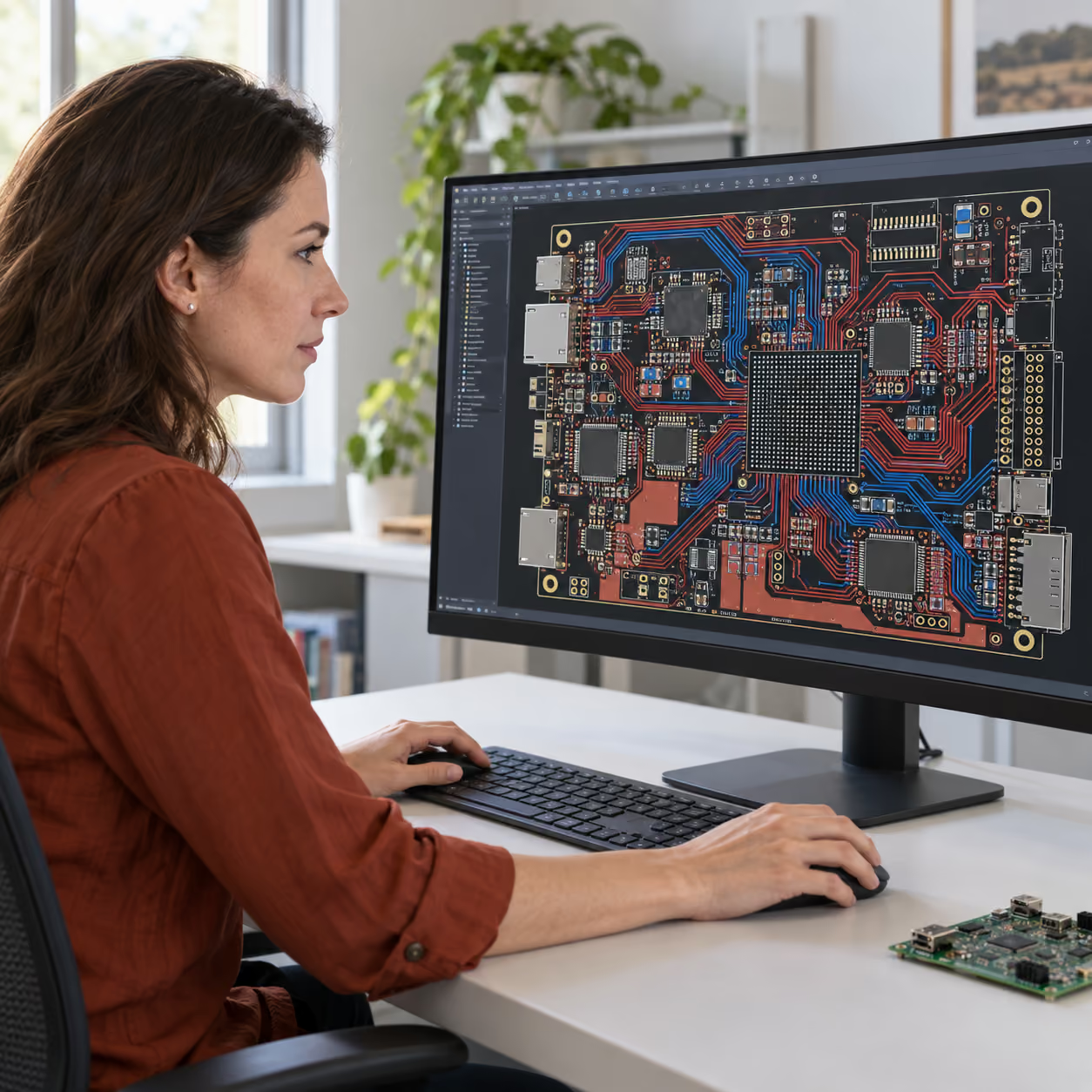
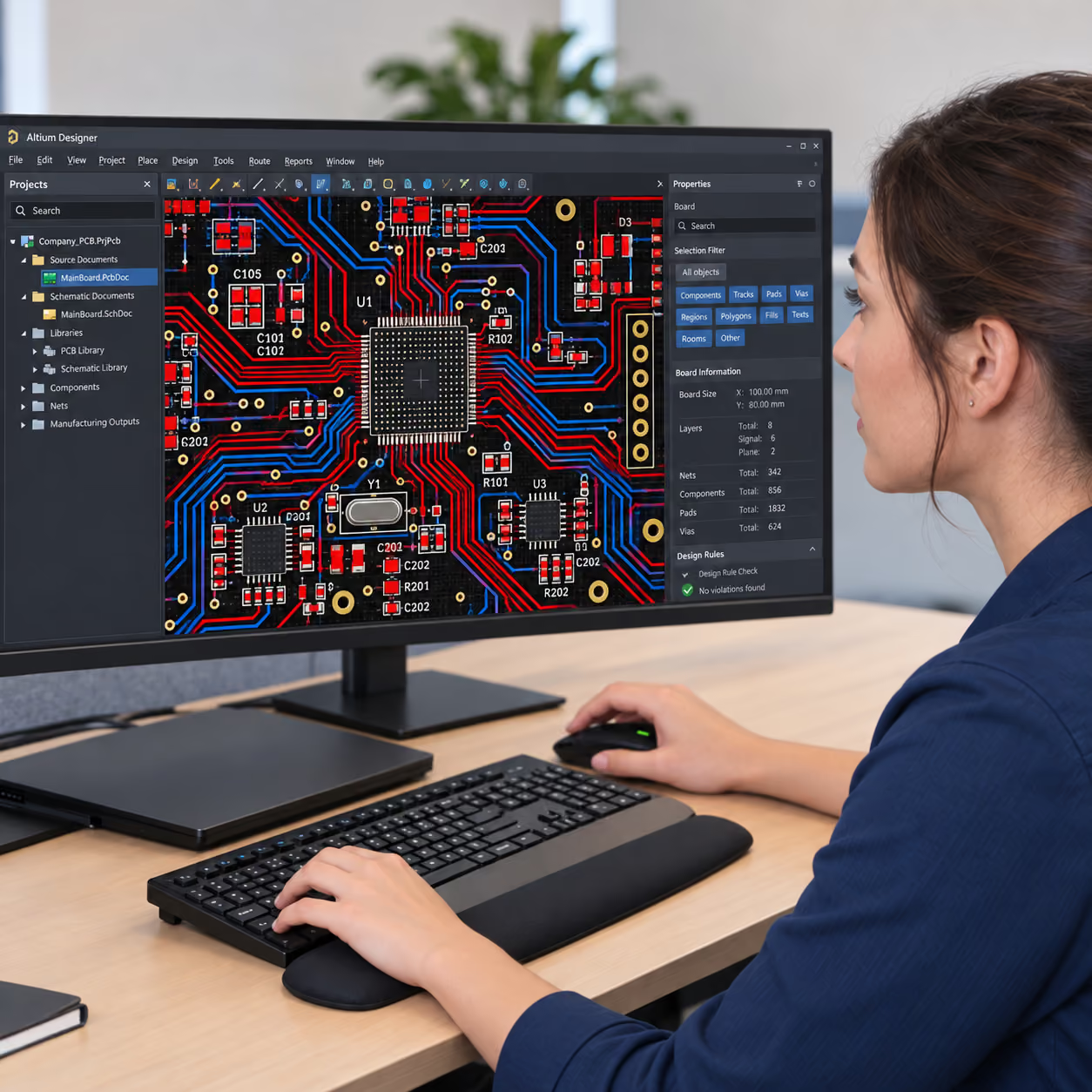
Yes. Beyond ASIC design, NFR supports PCB design and manufacturing, flip-chip substrates, chip packaging, module assembly, firmware, FPGA development, test hardware, and failure analysis. Customers can engage NFR for a single component or a complete system.
NFR designs custom analog, RF, digital, and mixed-signal ASICs for aerospace and defense programs. Support runs from concept through design, foundry management, pcb design and manufacturing, packaging, characterization, and production test, so a single team carries the chip from requirements to delivery.
NFR's design and manufacturing are 100% based in the United States. ASIC design, PCB manufacturing, assembly, and test are performed by NFR's U.S. team in U.S. facilities.
A custom ASIC can replace obsolete or end-of-life parts, consolidate multiple ICs into one device, and reduce size, weight, and power. For programs with long lifecycles, it also gives the program a supply path it controls rather than depending on catalog parts that may be discontinued.